Word users who hate manual equation entry
Use the Android scanner when the fastest route is to capture existing material and continue editing it in a document workflow.
Avoid typing every fraction, integral, and matrix by hand. Scan equations on Android and move them into a Word editing workflow.
When a formula already exists on paper or in a screenshot, the fastest way to type it in Word is often not typing at all. Scan it, review the OCR result, and export it for editing.
Use the Android scanner when the fastest route is to capture existing material and continue editing it in a document workflow.
Use the Android scanner when the fastest route is to capture existing material and continue editing it in a document workflow.
Use the Android scanner when the fastest route is to capture existing material and continue editing it in a document workflow.
Take a clear scan or choose an existing image, screenshot, or document page.
Run local-first OCR for normal pages or use optional cloud assist for dense formulas and complex layouts.
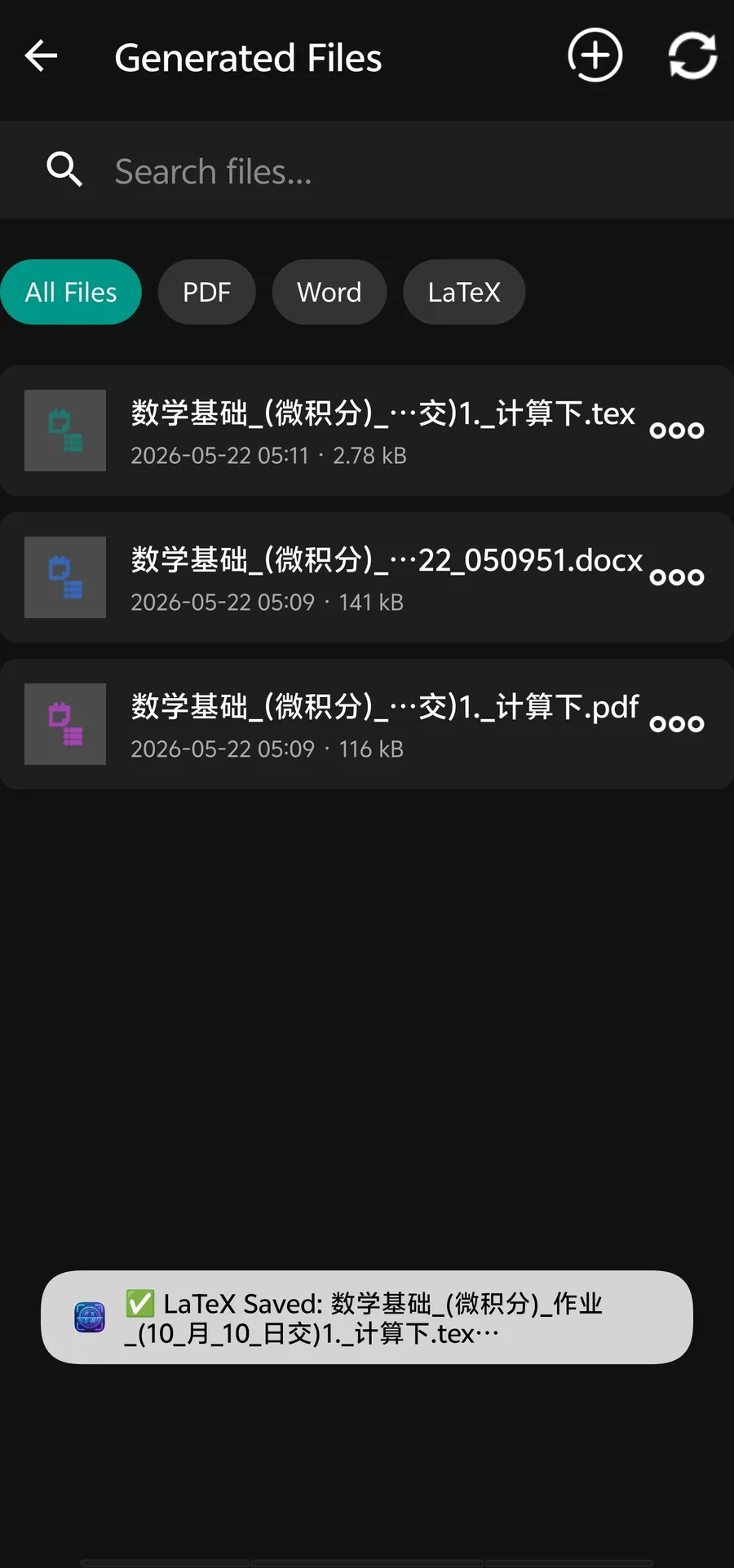
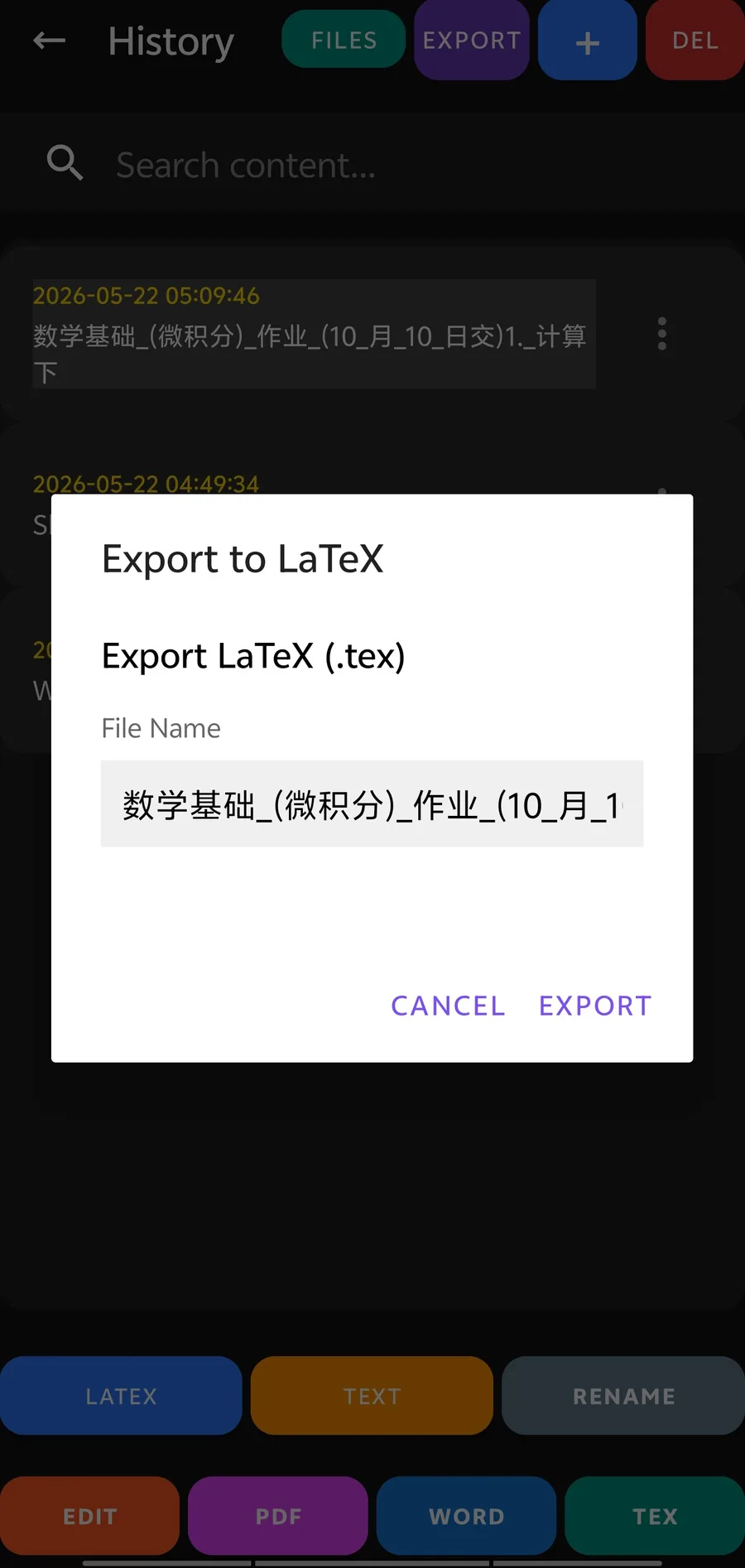
Move the result into a Word, PDF, LaTeX, clipboard, or OMML-oriented workflow for editing and sharing.
| Need | Generic OCR | AI Offline Scanner |
|---|---|---|
| Formula-heavy pages | Often returns plain text or flat images | Built around math OCR and Word-ready export |
| Private documents | Often requires upload-first processing | Local-first processing with optional cloud assist |
| Editing after export | Can produce scattered text boxes | Focuses on editable document workflows |
This is why the page targets a narrower, higher-intent search instead of competing only for broad OCR terms.
This is why the page targets a narrower, higher-intent search instead of competing only for broad OCR terms.
This is why the page targets a narrower, higher-intent search instead of competing only for broad OCR terms.
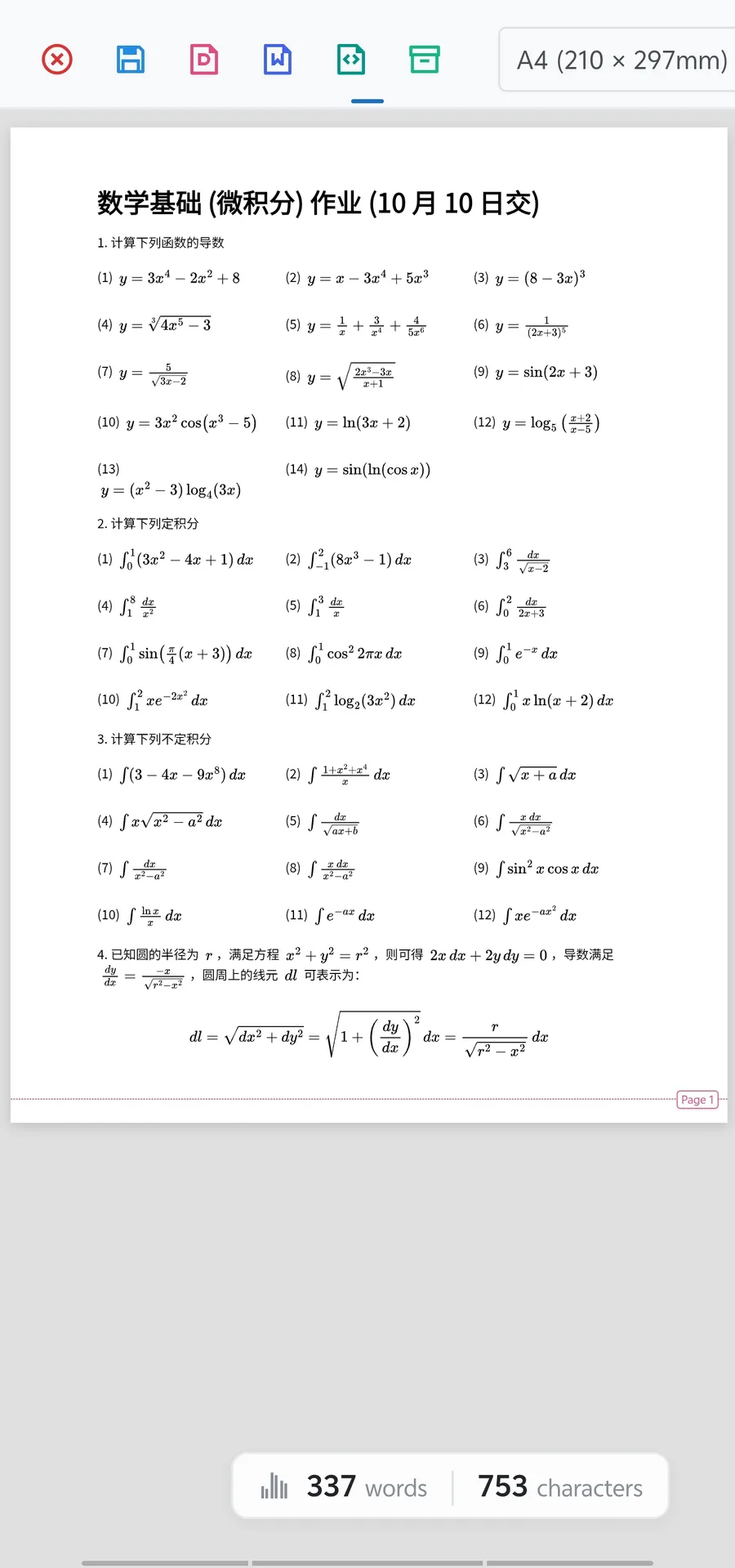
If the equation already exists in an image or PDF, OCR scanning can be faster than manual entry, especially for long or nested formulas.
Yes. OCR output should always be reviewed, especially for similar-looking math symbols.
Yes, the scanner targets formula-heavy pages and is useful for complex math structures like matrices, fractions, and integrals.